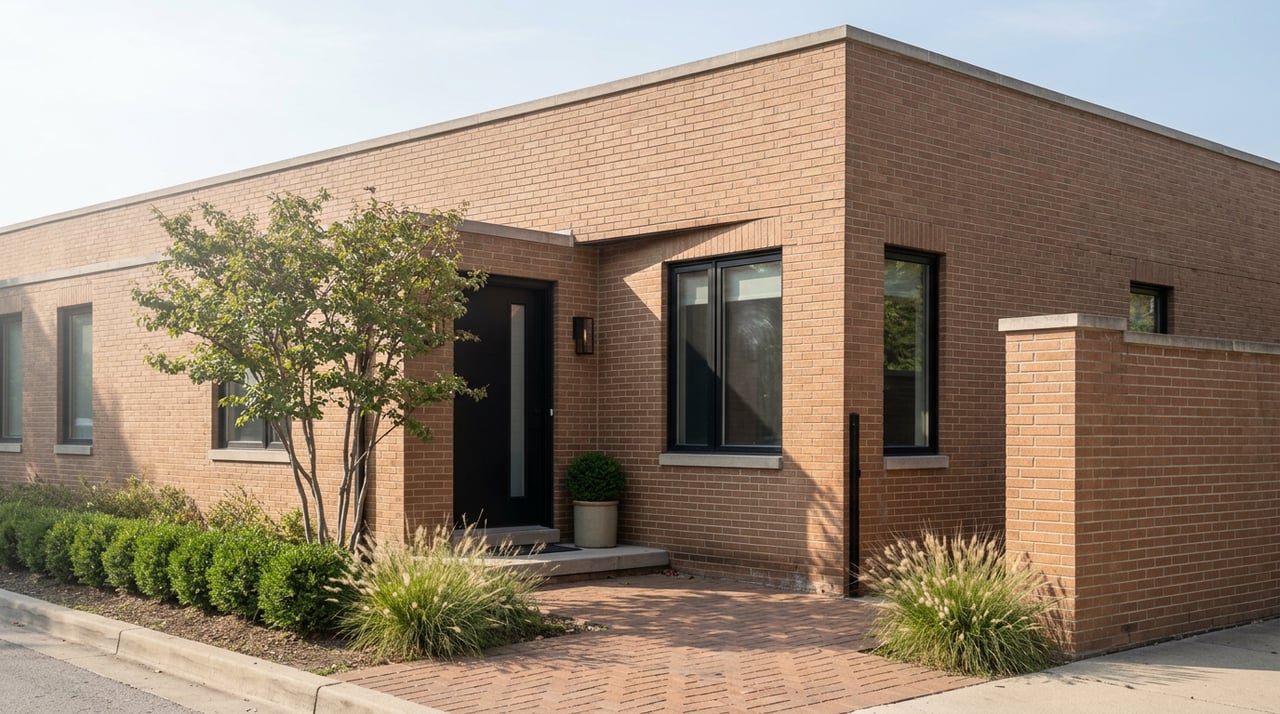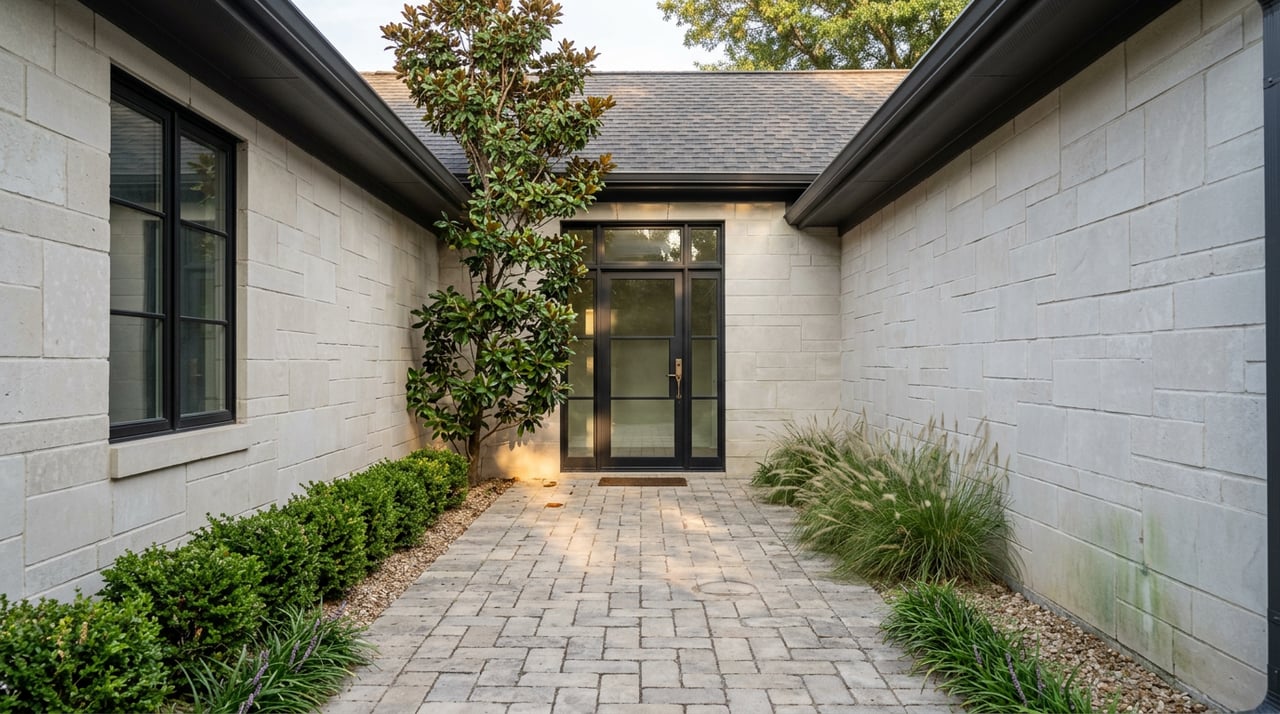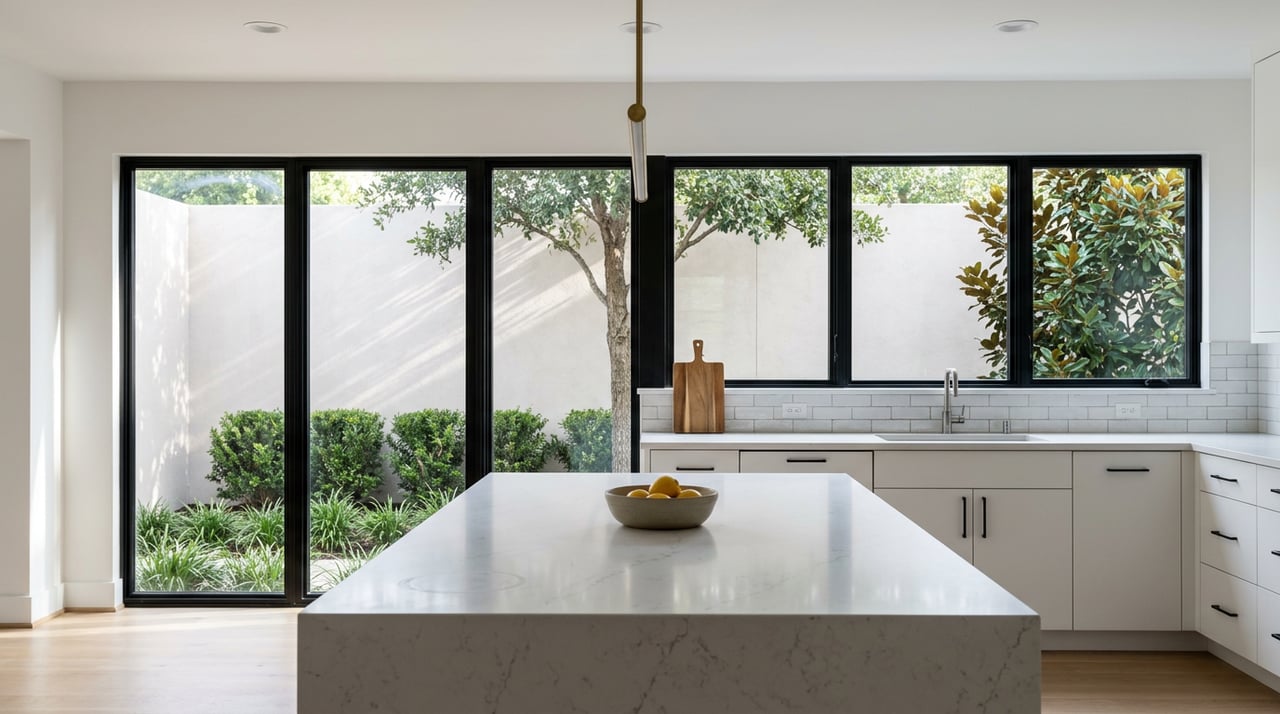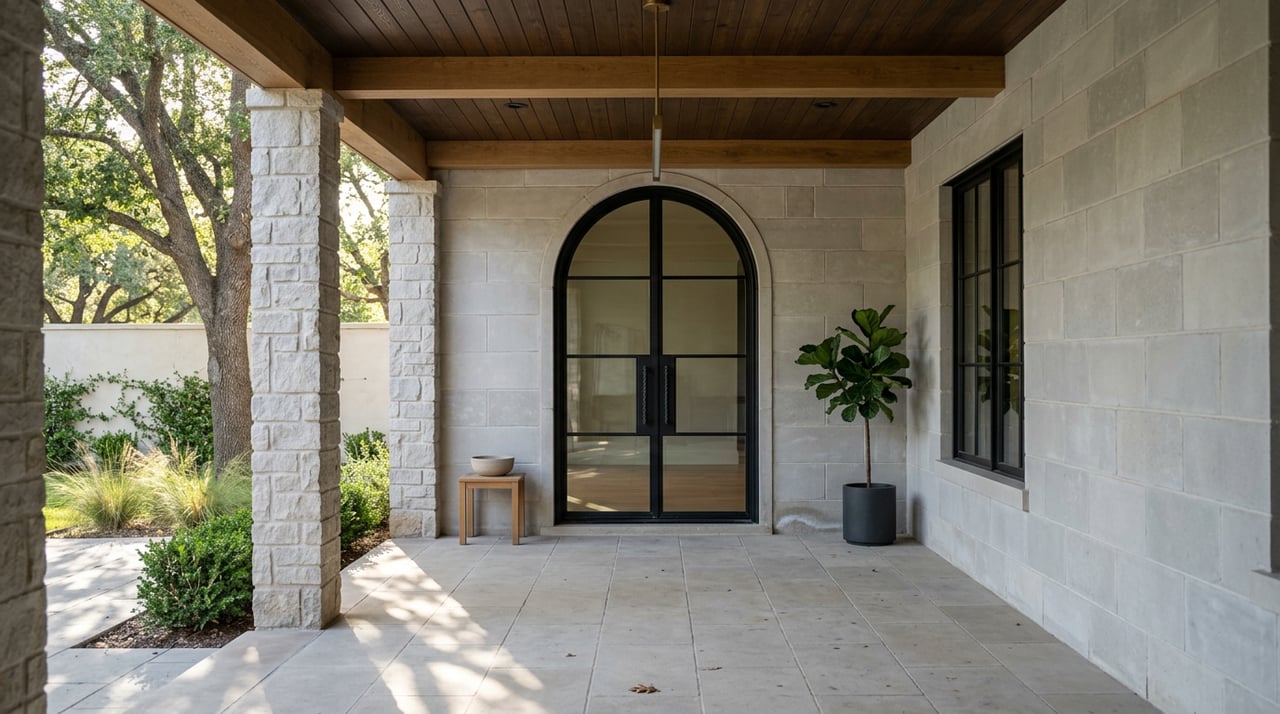
If the idea of traveling more, maintaining less, and still enjoying a well-connected North Dallas address sounds appealing, lock-and-leave living in Addison may be worth a close look. Many buyers want a home that supports a busy schedule without the constant demands of a large yard or extensive exterior upkeep. In this guide, you’ll learn how Addison’s housing mix, local amenities, and association structure shape the lock-and-leave lifestyle so you can decide if it fits the way you want to live. Let’s dive in.
Why Addison Works for Lock-and-Leave Living
Addison has a compact, urban feel that stands out in North Texas. The Town reports a 4.4-square-mile footprint, more than 180 restaurants, 22 hotels, and more than 12 million square feet of office space. That mix supports a lifestyle built around convenience, access, and lower-maintenance housing choices.
The local housing profile also helps explain why this type of living makes sense here. Census QuickFacts shows an owner-occupied housing rate of 17.9%, a median gross rent of $1,717, a median owner value of $466,000, and 1.71 persons per household. Taken together, those figures point to a more compact housing pattern than many traditional detached-home suburbs.
Addison’s planning direction reinforces that trend. The Town’s 2026 comprehensive planning work focuses on housing, mobility, economic development, and public spaces, with an emphasis on expanding housing options and revitalizing older commercial areas. For you as a buyer, that suggests Addison will likely continue leaning into mixed-use, amenity-rich living.
What Lock-and-Leave Usually Means
In simple terms, lock-and-leave living is about easier ownership. It often appeals to frequent travelers, busy professionals, and downsizers who want less exterior upkeep and easier access to dining, parks, and everyday conveniences. The goal is not zero responsibility, but a home that is easier to step away from.
That said, lock-and-leave does not mean maintenance-free. In many condo or HOA-governed communities, some responsibilities shift to the association, while others stay with you as the owner. The details matter, and they can vary significantly from one Addison property to another.
In Addison, this lifestyle often comes down to a trade-off. You may gain convenience, location, and shared upkeep, but you may give up yard space, privacy, and some control over exterior changes or daily use rules. Whether that trade feels worthwhile depends on your priorities.
Addison Housing Types to Expect
According to the Town’s housing FAQ, condo housing in Addison generally falls into two categories: townhome condos and stacked flats. In the Town’s inventory summary, townhome condos made up 44% of condo supply and stacked flats made up 56%. Communities cited by the Town include Brooktown, LaMirada, Parkview/District A, Aventura, Meridian Square, Pecan Square, and Bent Tree Valley.
The same Town document notes that Addison Circle has shown the strongest condo performance. It also states that recent condo development has been limited by a lack of strong developer interest. That matters because it suggests your options may be more limited than in some fast-growth suburban areas.
The age and condition of available inventory become especially important in that kind of market. If you are considering an older lock-and-leave property, it is smart to weigh building condition and association health just as heavily as finishes, layout, and design style. A beautiful interior does not always tell you what future upkeep may look like.
Why Inventory Can Feel Tight
Addison does not have a large pipeline of easy residential development sites. The Town says most new housing proposals face rezoning because there are few undeveloped, underdeveloped, or declining properties already zoned for housing. In practical terms, that can mean fewer fresh options and a housing stock that evolves more slowly.
At the same time, Addison continues to support mixed-use growth. The Town approved Addison Junction, a 15.5-acre, $240 million mixed-use district next to Addison Circle Park. That kind of investment supports the idea that the urban core will remain one of the town’s key lifestyle hubs.
For buyers, this means you may need to act with patience and precision. The right lock-and-leave home in Addison may not show up in large numbers at all times. When one does, understanding the property type and community structure can help you move with more confidence.
What the HOA or Condo Association Covers
One of the biggest questions in any lock-and-leave purchase is what your dues actually pay for. Under Texas condominium law, the association generally handles maintenance, repair, and replacement of common elements, while the owner is responsible for the unit itself. Unless the declaration says otherwise, the owner also pays for utility equipment serving only that unit, along with windows and doors.
That division of responsibility is a major reason due diligence matters. Two properties that look similar on the surface can come with very different owner obligations. In one community, exterior features may be mostly covered. In another, owners may be responsible for more than they expected.
For subdivision-style homes with a property owners’ association, a similar principle applies. The resale certificate helps identify restrictions, assessment status, and other key association details. If you are comparing a fee-simple townhome with a condo, those documents can reveal meaningful differences in cost and responsibility.
What Texas Requires Sellers to Provide
Texas law gives buyers important association information before closing. For a condo purchase, the seller must provide the declaration, bylaws, rules, and a resale certificate prepared no earlier than three months before delivery. That resale certificate must disclose items such as the operating budget, assessments, unpaid fees, planned capital expenditures, reserves, pending suits, insurance coverage, known rule violations, certain government code issues, and transfer fees.
For many HOA-governed homes, Texas law also requires a resale certificate, and updates can be requested within 180 days of the original certificate. These records help you understand not just the current monthly dues, but also the financial health and operating style of the community. That is especially important in a lock-and-leave setting where shared maintenance is part of the value.
If you are serious about a property, reviewing these materials carefully can save you from surprises later. A community may look polished today, but reserves, planned projects, and assessment history tell you more about how the property is being managed over time.
Questions to Ask Before You Buy
Before you decide that a community truly fits the lock-and-leave lifestyle, ask practical questions that go beyond aesthetics. The goal is to understand how the home will function for you after closing, not just how it shows during a tour.
Here are a few of the most important questions to ask:
- What exactly do the monthly dues cover?
- How much money is held in reserves?
- Are any major repairs or projects already planned?
- Has the association issued recent special assessments or discussed likely future ones?
- Who handles the roof, exterior paint, windows, doors, balconies, HVAC equipment, and utility lines?
- What are the rules for parking, guest parking, pets, and rentals?
- Is the property a true condominium or a fee-simple townhome with an HOA?
These questions help you measure the real convenience factor. A home only feels low-maintenance if the rules, costs, and responsibilities align with the way you actually live.
Addison Lifestyle Benefits to Consider
For many buyers, the appeal of Addison starts with location and access. Addison Circle Park offers more than 10 acres of open space, a walking path, fountains, and regular town events. If you like being near restaurants, offices, and public gathering spaces, that environment may feel like a strong fit.
Mobility is another plus. Addison Orbit began service in April 2026 and runs seven days a week from 5 a.m. to midnight. That kind of local service can support a more connected, less car-dependent daily routine within town.
These amenities can make a smaller-footprint home feel more livable. When parks, dining, and activity are close by, you may not miss a large yard as much as you would in a less walkable setting. That is one reason Addison stands out for buyers who prioritize convenience over square footage outside.
Trade-Offs to Think Through
Every housing choice comes with trade-offs, and lock-and-leave living is no different. In Addison, the biggest benefits are often convenience, shared maintenance, and access to an amenity-rich setting. The biggest compromises are usually less privacy, less outdoor space, and more shared rules.
That balance can work very well if your lifestyle already points in that direction. If you travel often, work long hours, or simply want fewer property tasks on your weekend list, the model may feel freeing. If you want more control, more separation from neighbors, or more outdoor space, a detached home may still fit better.
This is why the decision is so personal. In Addison, the local housing mix and ongoing mixed-use redevelopment make the lock-and-leave option especially relevant, but not automatically right for everyone. The best choice is the one that supports how you want to spend your time.
How to Decide if It’s Right for You
A good way to decide is to picture your normal week, not just your ideal one. Think about how often you travel, how much upkeep you are willing to handle, and whether shared rules would feel helpful or limiting. Also consider whether being close to restaurants, parks, and office space adds real value to your routine.
Then look at the numbers and documents with the same care you give the floor plan. Monthly dues, reserve funding, and future capital projects can shape affordability just as much as the purchase price. In a market like Addison, smart due diligence is often what separates a convenient purchase from a frustrating one.
If you want help weighing Addison against other North Dallas options, a local, concierge-level approach can make the process much clearer. The right guidance can help you compare lifestyle fit, association structure, and long-term value without missing the details that matter most.
If you are exploring low-maintenance homes in Addison or comparing them with other North Dallas communities, The Deann Abbott Group can help you evaluate the options with a polished, detail-driven approach.
FAQs
Is Addison, Texas a good place for lock-and-leave living?
- Addison can be a strong fit for lock-and-leave buyers because it has a compact, mixed-use setting, a condo inventory that includes townhome condos and stacked flats, and convenient amenities such as Addison Circle Park and Addison Orbit service.
What types of lock-and-leave homes are common in Addison?
- According to the Town of Addison, condo housing in Addison is commonly found as townhome condos and stacked flats, with condo inventory examples in communities such as Brooktown, LaMirada, Parkview/District A, Aventura, Meridian Square, Pecan Square, and Bent Tree Valley.
What does an Addison condo association usually maintain?
- Under Texas condominium law, the association generally maintains, repairs, and replaces common elements, while you are usually responsible for the unit itself and, unless the declaration says otherwise, windows, doors, and utility equipment that serves only your unit.
What should buyers review before purchasing a lock-and-leave home in Addison?
- You should review the declaration, bylaws, rules, resale certificate, monthly dues, reserve funding, planned capital projects, assessment history, insurance coverage, and the exact division of maintenance responsibilities.
Why can lock-and-leave inventory in Addison feel limited?
- The Town of Addison says many new housing proposals require rezoning because there are few undeveloped or already housing-zoned sites, and recent condo development has also been limited by a lack of strong developer interest.
What are the trade-offs of lock-and-leave living in Addison?
- The main trade-offs are typically less yard space, less privacy, and more shared rules, balanced against easier upkeep, central amenities, and a more convenient day-to-day lifestyle.