If you want a home with character and a location that feels connected to the heart of the city, living near Historic Downtown McKinney may be worth a close look. This part of McKinney offers a rare mix of preserved architecture, local events, walkable streets, and everyday conveniences that can be hard to find in newer areas. If you are weighing lifestyle, housing style, and the realities of owning near a historic district, this guide will help you understand what to expect. Let’s dive in.
What living near downtown feels like
Historic Downtown McKinney is more than a shopping area. The city describes it as one of Texas’s oldest thriving historic downtowns, and the district continues to serve as a cultural center with more than 120 unique shops and over two dozen restaurants.
For you as a homeowner, that can translate into a more connected daily routine. Instead of driving to every outing, you may find yourself grabbing coffee, meeting friends for dinner, browsing local shops, or attending an event just minutes from home.
The downtown core is centered around the historic square and Cultural District. According to the city, the area includes independently owned shops, restaurants, art spaces, wineries, coffee shops, and live entertainment, which helps give it a more established and local feel than a typical retail corridor.
Events keep the area active
One of the biggest draws of living near Historic Downtown McKinney is the steady calendar of community events. The city highlights recurring favorites such as Arts in Bloom, Oktoberfest, Red, White and BOOM!, Juneteenth, and Home for the Holidays.
That means the area often feels lively, especially during weekends and seasonal celebrations. If you enjoy being near local festivals, markets, and public events, downtown McKinney offers an experience that feels active without needing to leave the neighborhood.
The McKinney Farmers Market also operates on Saturdays at Chestnut Square Heritage Village. Chestnut Square, located just south of the square, includes historic homes, a chapel, a general store, and a replica one-room schoolhouse, along with year-round programming.
Walkability and convenience matter here
A major part of the downtown lifestyle is convenience. The city notes that there is free parking near the square and a free downtown trolley that connects parking areas with shops, restaurants, attractions, and event locations.
If you are hoping for a car-light lifestyle, that can be a real benefit. While most North Texas living still centers around driving, this part of McKinney gives you more flexibility to park once and enjoy the district on foot or use the trolley during busier times.
The area also includes practical community amenities nearby. Downtown residents have access to the Roy and Helen Hall Memorial Library, and parks such as Finch Park and Towne Lake Park offer space for recreation, trails, and outdoor time close to the historic core.
Nearby parks add balance
Living close to downtown does not mean giving up green space. The city lists Finch Park and Towne Lake Park among family-friendly outdoor options, and both are close enough to support an easy change of pace from the square.
Finch Park is about 1.2 miles from Historic Downtown McKinney and includes playgrounds, courts, a splash pad, pavilions, and trails. Towne Lake Park offers a 22-acre lake setting, a fishing pier, disc golf, and trail connections, while Wilson Creek Nature Trail links nearby park spaces.
For many buyers, that balance is part of the appeal. You can enjoy the energy of downtown while still having easy access to quieter outdoor spaces.
What kinds of homes are near Historic Downtown McKinney?
The residential areas near downtown are not uniform, and that is part of their appeal. McKinney’s Residential Historic Walking Tour points to streets such as Church, Hunt, College, Tucker, Board, and Lamar as part of the historic residential fabric around the square.
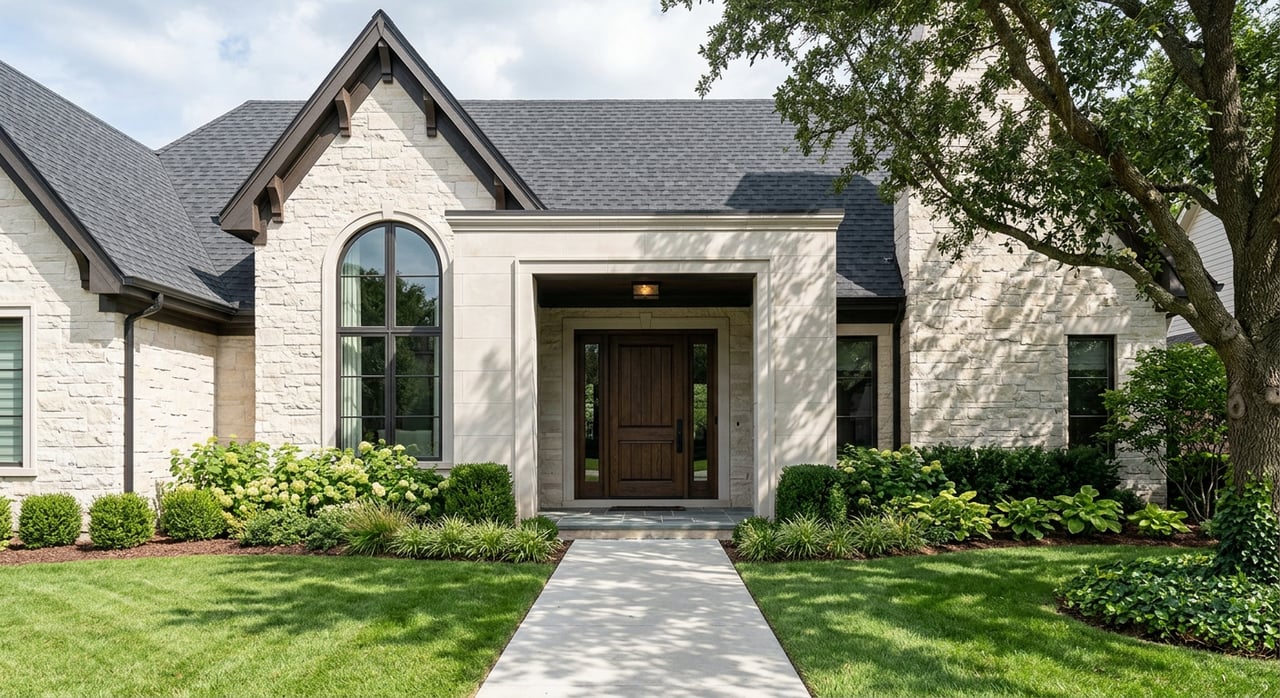
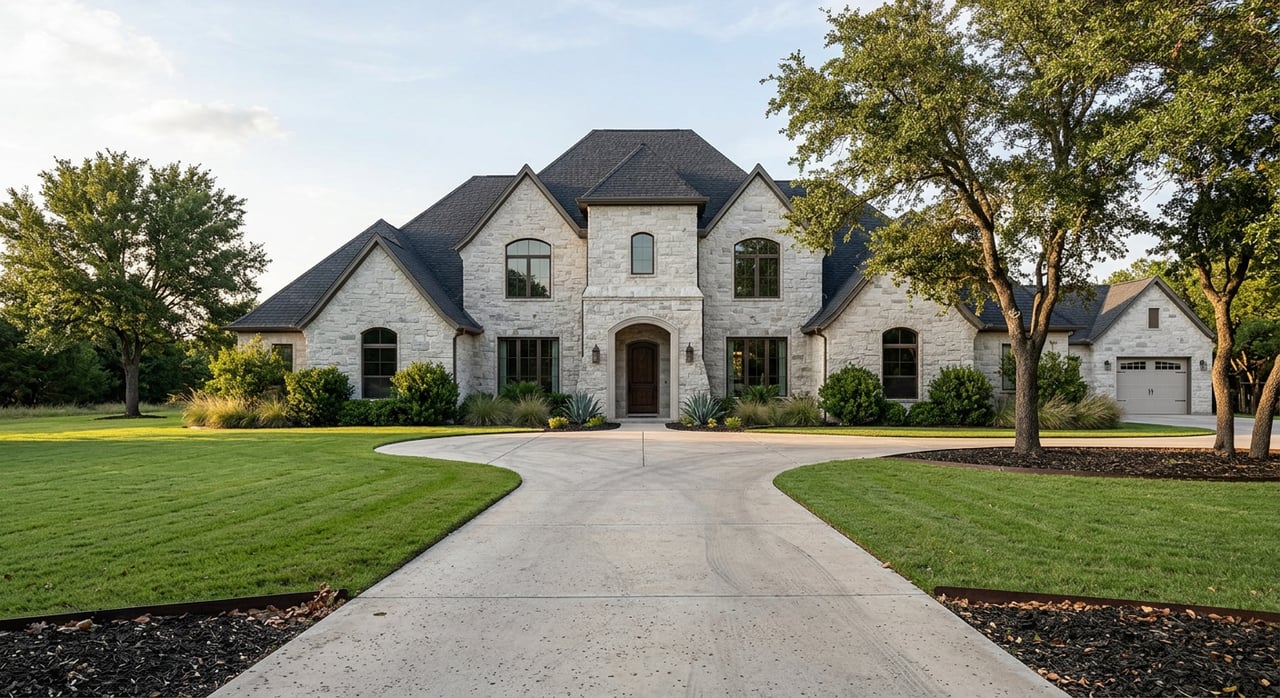
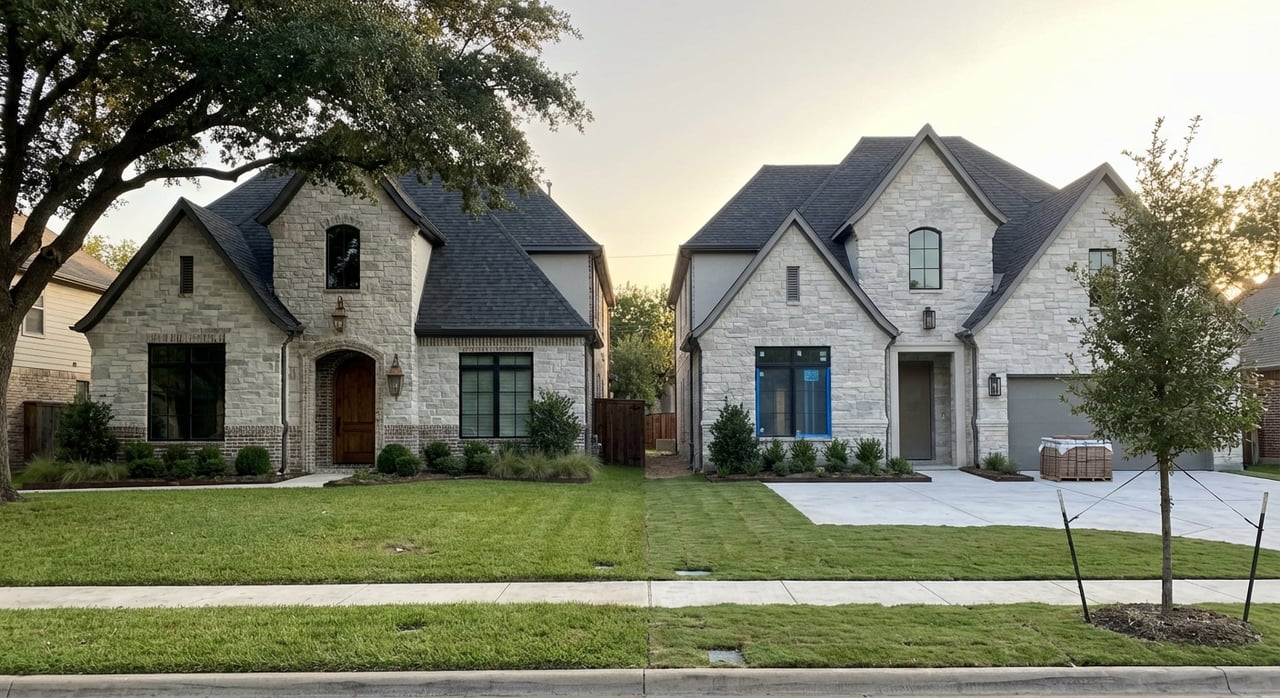
If you are coming from a master-planned community or a newer subdivision, this area will likely feel very different. Instead of one builder style repeated across several blocks, you will see a mix of home sizes, setbacks, lot layouts, and architectural periods.
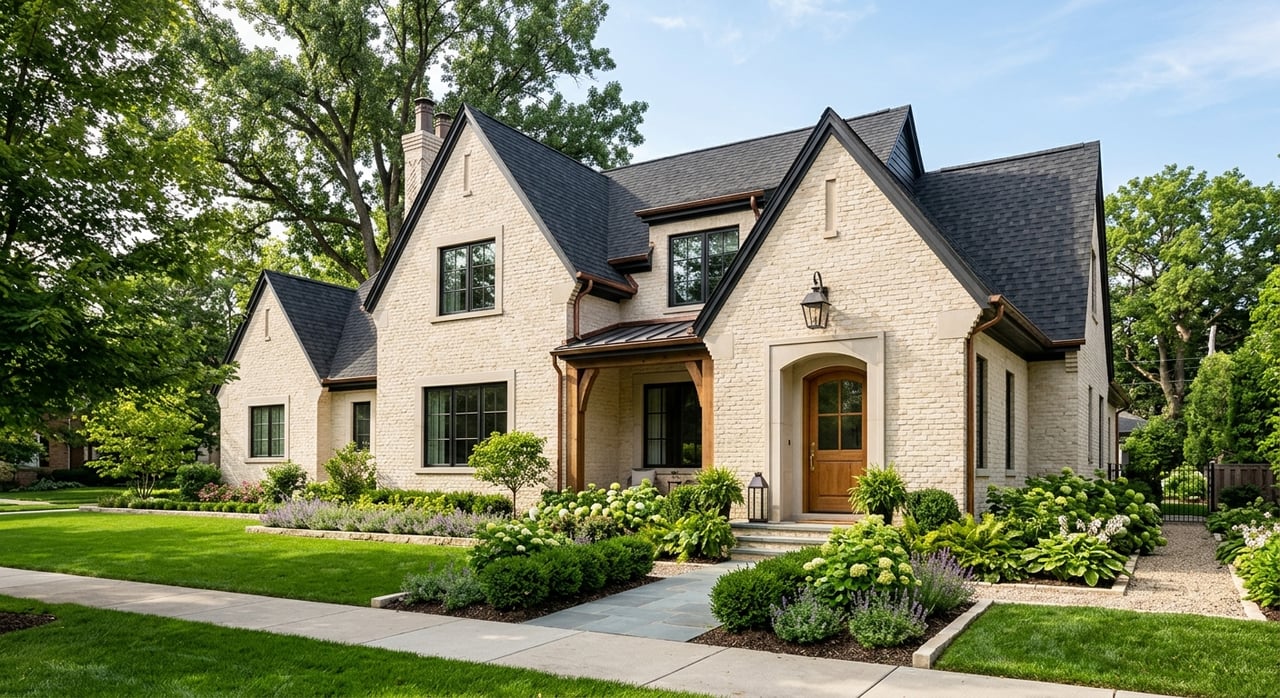
According to the city’s historic residential materials, the area includes Queen Anne Victorian, Folk Victorian, Arts and Crafts, bungalow, Prairie, Tudor Revival, Colonial Revival, ranch, duplex, and quadplex properties. You can review that range in the city’s historic residential architecture guide.
Character comes with variety
This variety gives buyers more options, especially if you value design details and a sense of place. You may find late-1800s or early-1900s homes with preserved features, mid-century additions, or multi-unit properties in the same broader downtown-adjacent area.
That architectural range also means your search may require more patience. Homes near downtown often differ widely in condition, updates, layout, and lot use, so it helps to look beyond surface style and think carefully about functionality, maintenance, and long-term fit.
Historic ownership has tradeoffs
If you are considering a home near Historic Downtown McKinney, it is important to understand the preservation side of ownership. The city explains that it has established historic districts to protect and preserve historic buildings, and that a Certificate of Appropriateness may be required for many exterior changes visible from the public right of way before work begins.
In practical terms, this means you may have more oversight than you would in a typical neighborhood when making certain visible exterior updates. That can affect projects such as façade changes, window replacements, and other work that impacts the public-facing appearance of a property.
For some buyers, that is a worthwhile trade. Preservation standards can help maintain the area’s visual character, which is a big part of why the district feels distinctive in the first place.
There may be incentive programs available
Historic ownership can also come with potential financial benefits. McKinney states that it adopted historic preservation tax exemption incentives, and the city’s HNIZ program may provide tax exemptions for properties within the program boundary that meet program requirements.
That does not mean every home will qualify, but it does mean buyers should ask informed questions before closing. Understanding both the restrictions and the possible incentives can help you make a better decision about the true cost and value of ownership.
Is downtown McKinney a good fit for your lifestyle?
For many buyers, the answer comes down to what you value most. If you want architectural character, local businesses, recurring events, nearby parks, and the ability to spend more time in a walkable district, this area stands out.
If you prefer a newer home, more standardized floor plans, or fewer renovation rules, another part of McKinney may be a better match. Neither choice is better across the board. It simply depends on how you want to live and what kind of homeownership experience you want day to day.
Historic Downtown McKinney is especially appealing if you want a location that blends charm with convenience. The city consistently positions the district around preservation, shopping, dining, arts, festivals, and easy access, which gives the area a lifestyle identity that feels both established and active.
What to consider before you buy nearby
Before buying near the square, it helps to think through a few practical questions:
- Do you want a home with historic character or a more predictable newer layout?
- Are you comfortable with the maintenance that can come with an older property?
- Would you enjoy living near festivals, markets, and regular public events?
- How important is walkability to shops, dining, and civic spaces?
- Are you open to learning local preservation guidelines before making updates?
The more clearly you answer those questions, the easier it becomes to decide whether downtown living fits your goals.
If you are exploring homes near Historic Downtown McKinney and want local guidance on neighborhoods, housing styles, and lifestyle fit, The Deann Abbott Group can help you navigate your options with a personalized, concierge-level approach.
FAQs
What is Historic Downtown McKinney known for?
- Historic Downtown McKinney is known for its preserved square, cultural district, independently owned businesses, local dining, live entertainment, and a full calendar of community events.
What types of homes are found near Historic Downtown McKinney?
- Homes near Historic Downtown McKinney include a wide mix of architectural styles such as Queen Anne Victorian, Folk Victorian, Arts and Crafts, bungalow, Prairie, Tudor Revival, Colonial Revival, ranch, duplex, and quadplex properties.
Do homes near Historic Downtown McKinney have historic preservation rules?
- Yes, some properties near downtown may be subject to historic preservation guidelines, and certain exterior changes visible from the public right of way may require a Certificate of Appropriateness before work begins.
Is Historic Downtown McKinney walkable for daily activities?
- The downtown area supports a more walkable lifestyle with shopping, dining, attractions, free parking, and a free trolley that connects key locations around the district.
Are there parks near Historic Downtown McKinney?
- Yes, nearby options include Finch Park, Towne Lake Park, and the Wilson Creek Nature Trail, which add outdoor recreation and trail access close to downtown.
Are there tax incentives for historic homes in McKinney?
- McKinney offers historic preservation tax exemption incentives, and the HNIZ program may provide tax exemptions for qualifying properties within the program boundary.