If you are selling a luxury estate in the Fairview area, presentation is not a finishing touch. It is part of the pricing strategy. In a Gregg County market where homes are taking about 59 days to sell and higher-end properties make up a small share of overall sales, the way your property looks online and in person can shape how buyers respond from the start. This guide walks you through how to stage and present a luxury estate so your home, land, and lifestyle features feel cohesive, polished, and worth a closer look. Let’s dive in.
Why presentation matters in Fairview
For a Fairview-area estate, the most practical market lens is the broader Longview and Gregg County context. Realtor.com reports roughly 1,000 homes for sale in Gregg County, a median listing price of $289,000, and a 98% sale-to-list ratio as of April 2026. The Texas Real Estate Research Center also shows that only 1.1% of Longview MSA sales were at $1 million or more in Q1 2026.
That matters because luxury inventory sits in a smaller, more selective segment. When buyers have options and the top end is limited, details stand out more. Strong staging and presentation help your estate compete for attention, support value, and reduce friction during showings.
According to the National Association of Realtors’ 2025 staging report, 83% of buyers’ agents said staging made it easier for buyers to picture a property as a future home. The same report found that some agents saw a 1% to 5% increase in value offered, and 30% of sellers’ agents reported slightly less time on market. In other words, presentation is not just cosmetic. It can influence both pace and perception.
Stage the lifestyle, not just the rooms
Luxury buyers in this market are often looking beyond square footage. Current high-end listings in Gregg County tend to spotlight acreage, privacy, gated entries, pools, offices, game or theater rooms, water views, and outdoor living. That means your estate should be presented as a complete experience, not a list of separate features.
A strong presentation plan connects the home, the lot, and the outdoor spaces into one story. If your estate has a long drive, mature landscaping, a covered patio, a pool, a shop, or water access, those elements should feel intentional and usable. Buyers want to understand how the property lives day to day.
This approach also lines up with broader luxury-buyer preferences. Redfin found that buyers often prioritize double vanities, kitchen islands, granite or quartz counters, walk-in pantries, high-end appliances, and open-concept layouts. Outdoor features matter too, especially landscaping, indoor-outdoor living areas, covered patios, pools, and outdoor kitchens.
Start with the highest-impact prep work
Before you think about décor, focus on the basics that create a clean and elevated first impression. The 2025 NAR staging report says the most common seller prep steps are decluttering, whole-home cleaning, curb appeal improvements, professional photos, minor repairs, carpet cleaning, depersonalizing, and landscape work.
For a luxury estate, these basics should be done thoroughly. Buyers in the upper tier tend to notice deferred maintenance quickly, especially when the asking price suggests a move-in-ready experience. A polished home feels cared for, and that helps protect perceived value.
Prioritize these tasks first:
- Declutter every major space
- Deep clean the entire home
- Complete minor repairs
- Refresh landscaping and curb appeal
- Depersonalize visible surfaces
- Clean carpets and flooring
- Organize garages, shops, and outbuildings
Even if your home has standout architecture or a large lot, clutter can make it feel smaller and less refined. Clean sightlines help buyers notice scale, natural light, and finish quality.
Focus first on the rooms buyers notice most
Not every room carries the same weight. NAR reports that the living room, primary bedroom, and kitchen matter most to buyers, and those are also among the spaces most often staged by listing agents.
If you are deciding where to invest time and budget, begin with the main flow spaces. In a luxury home, those areas set the tone for everything else. Once they are right, you can move to secondary rooms like a study, dining room, media room, or guest suite.
Living room
Your living room should feel open, balanced, and comfortable. Edit out extra furniture so the scale of the room reads clearly. If the space opens to a patio, pool, or view, arrange seating to reinforce that connection.
Kitchen
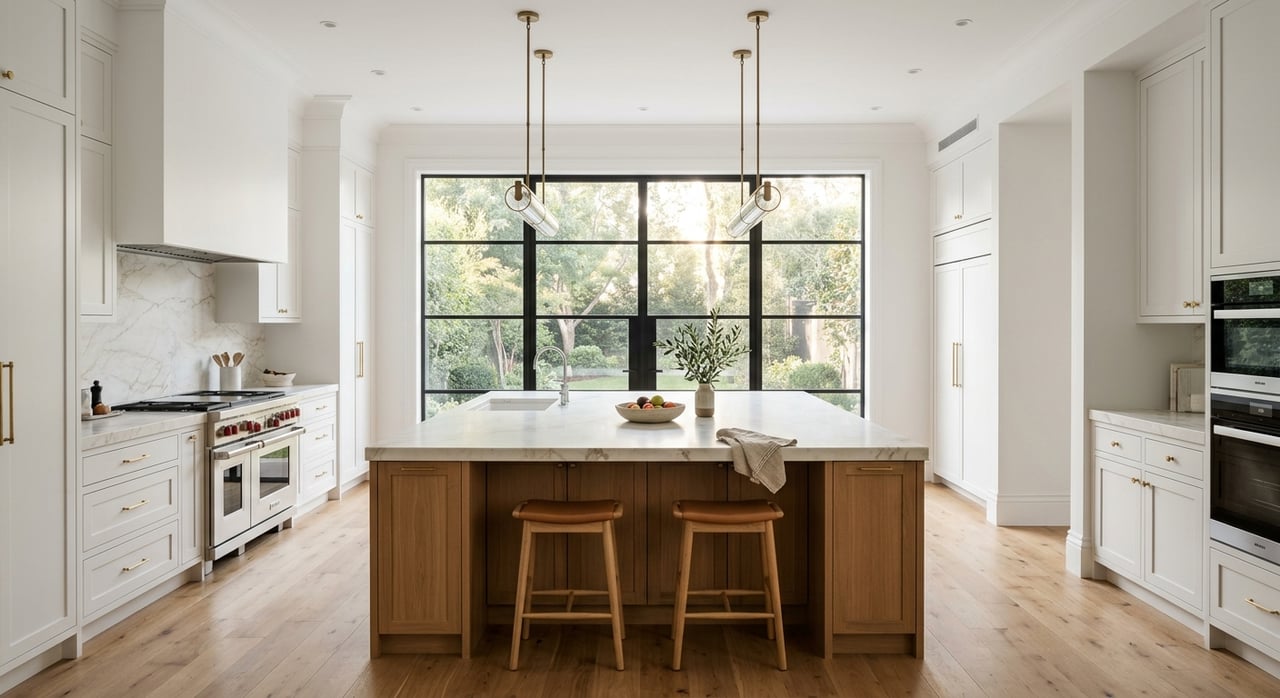
Luxury buyers often zero in on the kitchen. Clear counters, style the island lightly, and make sure premium finishes and appliances are easy to see. If you have a walk-in pantry, keep it neat and photo-ready because practical luxury matters.
Primary suite
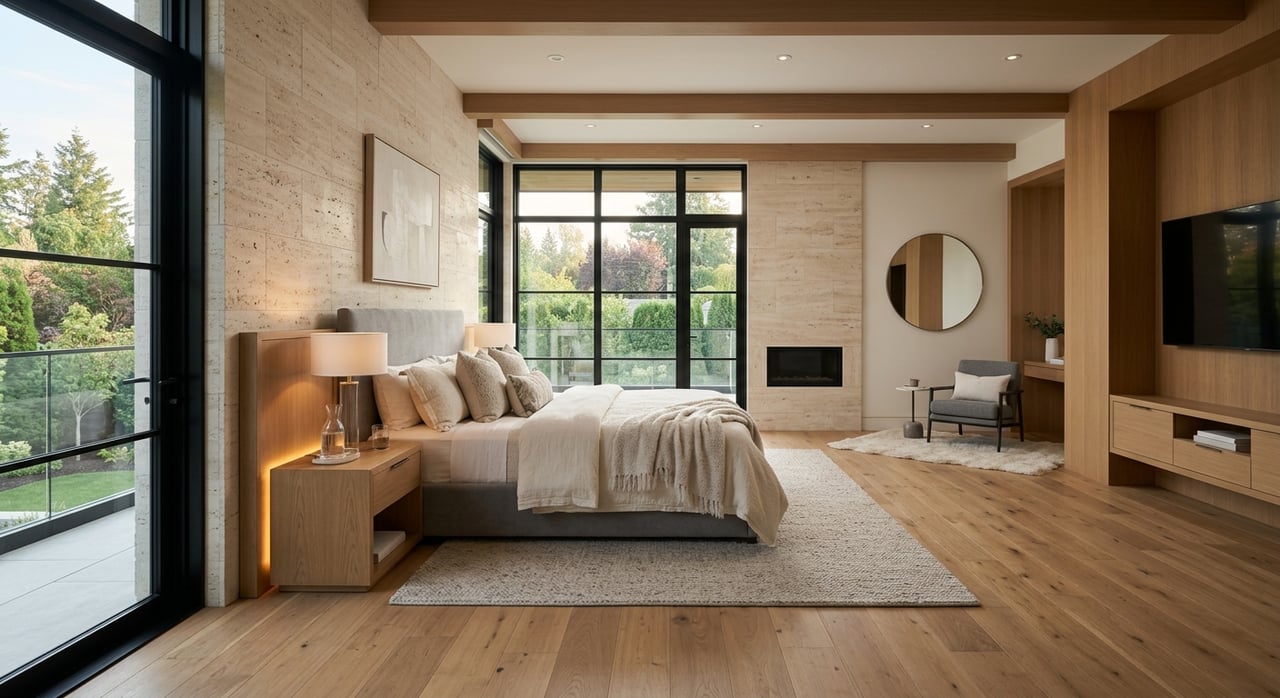
The primary bedroom should feel calm and spacious. Use simple bedding, remove overly personal items, and keep surfaces minimal. In the bath, clean lines around double vanities, counters, and shower glass can make a major difference.
Treat outdoor spaces like real living areas
For a Fairview-area estate, the outside should never be an afterthought. On acreage or larger lots, buyers are not just buying the house. They are buying privacy, setting, flexibility, and how the property feels from arrival to sunset.
That is why outdoor staging should function like indoor staging. Patios, covered seating areas, pool decks, and outdoor kitchens should look usable and well maintained. Landscaping should feel intentional, not simply trimmed.
If your property includes additional structures or utility spaces, present them clearly too. Zillow’s real estate photography guidance specifically recommends cleaning garages and workshops and including useful images of patios, decks, landscaping, pools, shops, and outbuildings.
Outdoor details to prep may include:
- Pressure washing hard surfaces
- Refreshing mulch and planting beds
- Staging patio seating
- Cleaning the pool and water features
- Clearing driveways and entry gates
- Organizing barns, shops, or garages
- Trimming tree lines and overgrowth
When outdoor spaces are presented well, buyers can better understand the property’s full value. That is especially important when the lot itself is part of the luxury appeal.
Use physical staging when possible
Virtual staging can help in some cases, but physical staging generally carries more weight. NAR found that 57% of buyers’ agents and 43% of sellers’ agents said traditional staging was more important, while virtual staging ranked lower.
That makes sense in the luxury market. Buyers want confidence that the home feels as good in person as it does online. Physical staging helps create consistency between listing photos, showings, and private tours.
The same report found a median staging service spend of $1,500. For higher-value homes, the right staging plan can be a practical investment if it sharpens first impressions and supports your pricing position.
Build the marketing package in the right order
Many sellers think video should lead the marketing plan. In reality, buyer behavior suggests a different order. Zillow’s 2025 buyer research says the listing features buyers rate most important are floor plans, high-resolution photos, and 3D or virtual tours, while video ranks much lower.
That means your marketing package should be built in a sequence that supports how buyers actually shop. Start with prep. Then create the still photography and floor plan assets that help buyers understand the layout and quality quickly.
A practical order for a Fairview-area estate looks like this:
- Clean, repair, and stage the property
- Capture high-resolution professional photos
- Add floor plans
- Include aerial imagery for lot and setting
- Use video as a supporting asset
This structure works especially well for properties with acreage, gated approaches, water adjacency, or substantial outdoor improvements. It helps buyers understand both the home and the land.
Photography should do heavy lifting
Your photos are often the first showing. Zillow says 22 to 27 photos is the ideal range, and homes with fewer than nine photos are about 20% less likely to sell within 60 days. In luxury real estate, that first digital impression carries even more weight because buyers are often screening for finish quality, layout, and setting before they ever schedule a visit.
Photo coverage should be selective but complete. You want the images to feel curated, not repetitive, while still telling the full story of the estate.
For many Fairview-area luxury properties, the photo list should include:
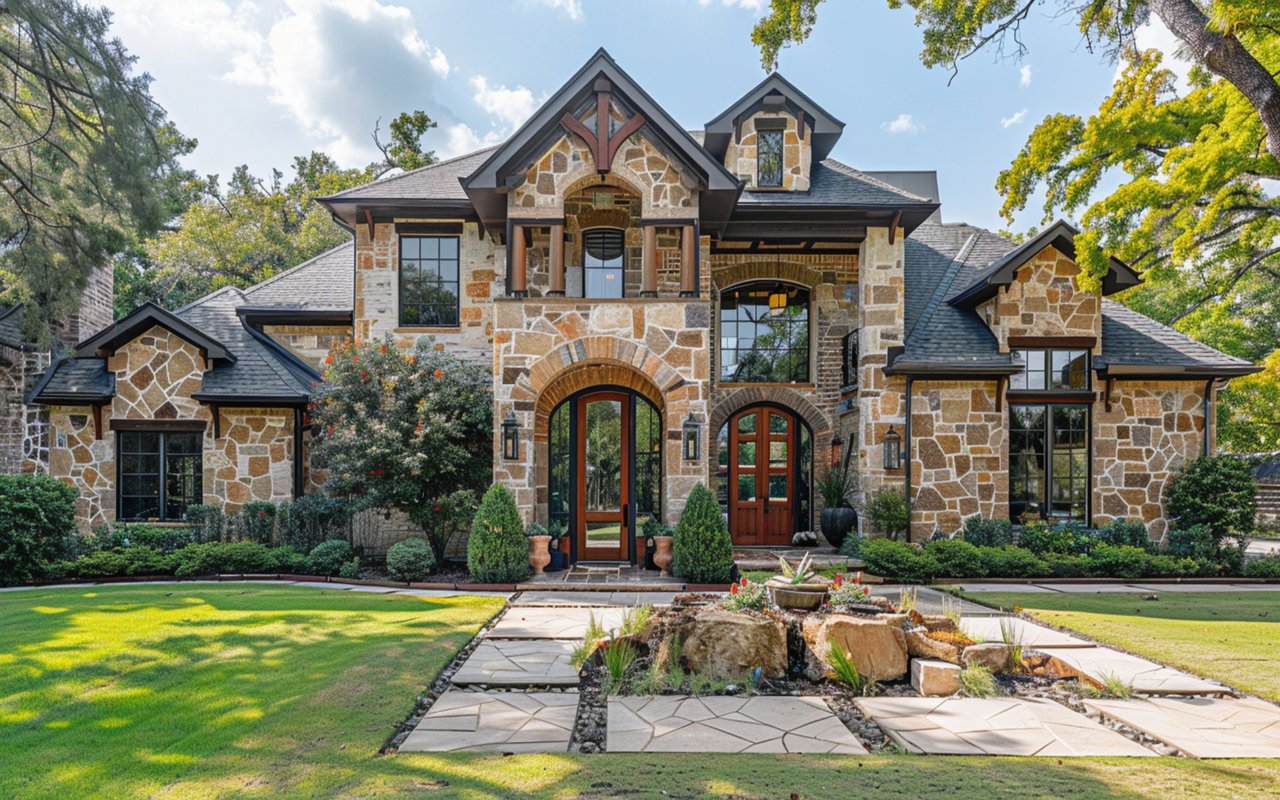
- Front exterior and approach
- Main living spaces
- Kitchen and pantry
- Primary suite and bath
- Dining area and office
- Covered patio and pool
- Landscaping and grounds
- Garage, shop, or outbuildings if relevant
- Key view lines or water features if present
Aerial imagery can be especially valuable here. Zillow’s rich-media guidance says aerial imagery makes properties 68% more likely to sell, and drone coverage can show the roof, yard, street, and surrounding outdoor space in one pass. For estates where lot shape, privacy, or orientation matter, that added context can be powerful.
Make sure the home matches the photos
One common problem in luxury listings is a disconnect between marketing and reality. NAR found that nearly half of respondents said buyers expected homes to look staged like TV homes, and 58% said buyers felt disappointed when real homes did not match that image.
That is why consistency matters. If your online presentation is polished, your in-person showing needs to deliver the same experience. Lighting, scent, temperature, cleanliness, and organization should all support what buyers saw in the listing.
Before every showing, aim for a simple checklist:
- Turn on key lights
- Open blinds where it helps natural light
- Clear counters and bedside surfaces
- Hide pet items and daily clutter
- Sweep patios and entryways
- Make sure outdoor seating looks orderly
- Close garage doors unless the space is being shown intentionally
Small details can make a large estate feel effortless. That sense of ease is part of luxury.
Presentation is a value strategy
In a buyer-leaning market, luxury sellers cannot rely on size or price point alone. Presentation helps buyers understand why your property stands apart. It supports value by making the home easier to picture, easier to compare, and easier to remember.
For a Fairview-area estate, the best results usually come from a full-property mindset. You are not just staging the kitchen or tidying the living room. You are presenting architecture, land, outdoor living, and lifestyle as one polished package.
That kind of preparation takes planning, but it can have a real payoff. When your estate enters the market looking complete, intentional, and aligned with what luxury buyers notice first, you give it a better chance to attract serious interest and hold its position.
If you are preparing to sell a luxury home and want a tailored, white-glove plan for presentation and marketing, The Deann Abbott Group can help you position your property with the level of strategy and polish high-value listings deserve.
FAQs
What matters most when staging a luxury estate in Fairview?
- The biggest priorities are decluttering, deep cleaning, minor repairs, curb appeal, and focusing first on the living room, kitchen, primary suite, and outdoor living areas.
How does staging help a luxury home in Gregg County?
- In a market where homes average about 59 days on market and luxury sales are a small share of overall activity, staging can help buyers picture the home more easily and support stronger perceived value.
Should a Fairview-area estate use virtual or physical staging?
- Physical staging generally carries more weight with buyers and agents, especially for luxury homes where the in-person experience needs to match the online presentation.
What listing media matters most for a luxury estate near Fairview?
- Floor plans, high-resolution photos, 3D or virtual tours, and aerial images tend to matter more than video as primary listing tools.
Why are outdoor spaces so important for luxury listings in Fairview?
- Many buyers in this segment pay close attention to acreage, privacy, landscaping, covered patios, pools, and other lifestyle features that extend beyond the interior of the home.