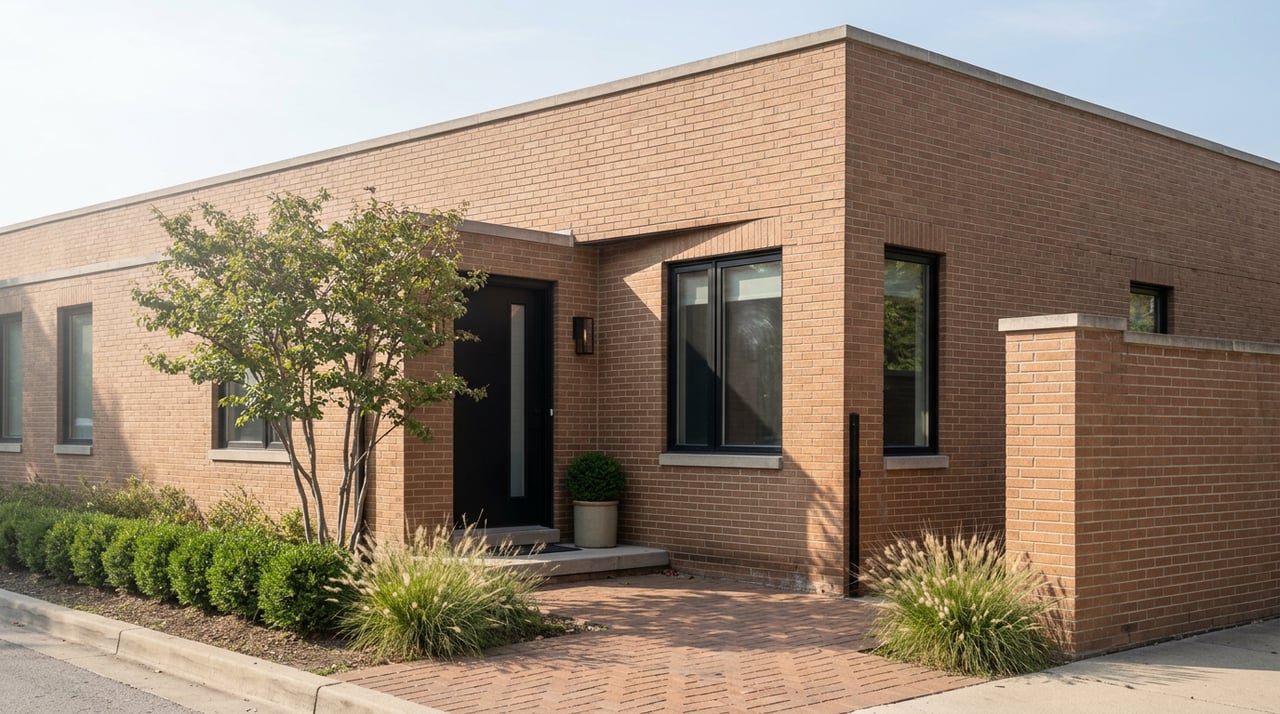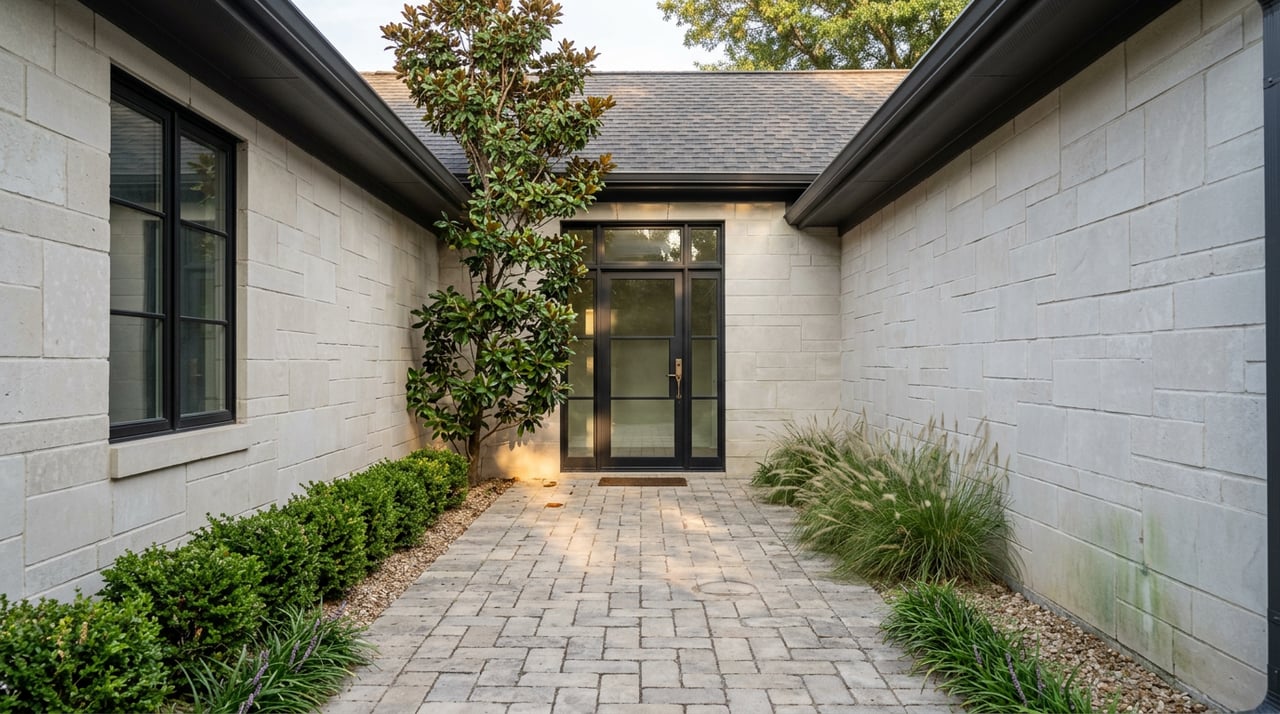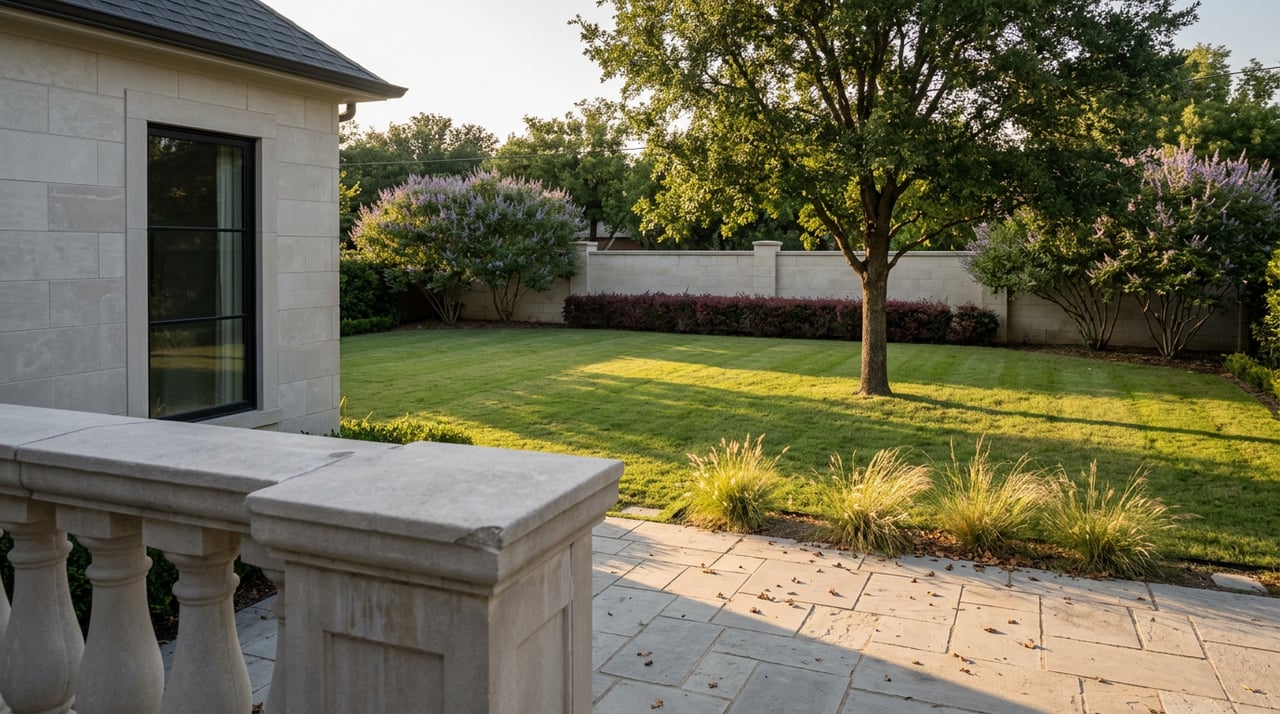
Two houses back up to the same fairway on the Gleneagles Queens Course in Plano's Willow Bend. Same view of the tenth green, same mature oak canopy, same proximity to White Rock Creek. One of them comes with a country club obligation baked into the deed. The other doesn't. Nothing on the listing sheet tells you which is which.
That distinction is the piece of this market that gets skipped over in most golf-course-home searches, and it matters more than the view itself once you get to closing.
What "Willow Bend" Actually Means
Willow Bend is the name everyone uses for the stretch of west Plano bounded roughly by the Dallas North Tollway to the west, Preston Road to the east, W. Parker Road to the north, and Plano Parkway to the south. White Rock Creek runs through the middle of it, and Gleneagles Country Club's two 18-hole courses, the Kings and the Queens, sit at its center.
But "Willow Bend" isn't one subdivision with one set of rules. It's a collection of platted sections built over roughly three decades, from custom homes going up in the late 1970s through newer phases finished in the early 2000s. Listings marketed under names like Cliffs of Gleneagles, Kings Court of Willow Bend, Willow Bend Lakes, Steeplechase, and the Villas of Gleneagles all fall under the Willow Bend umbrella in casual use, even though each carries its own governing documents. That patchwork is exactly why the membership question doesn't have one answer for the whole neighborhood.
The Club Calls Its Community Mandatory Membership
Gleneagles Country Club is direct about what it is. Its own membership page describes Gleneagles as a private, mandatory membership, residential country club community, meaning that within the sections platted directly around the club, buying the home and joining the club are not separate decisions. Ownership carries the obligation.
That's a real cost, not a formality. A 2020 private club directory listing put Gleneagles' initiation fee at $35,000 with monthly dues near $937, figures that are several years old at this point and almost certainly understated for today. Anyone seriously considering a home inside the mandatory footprint should treat that number as a floor, not a quote, and confirm current initiation and dues figures directly with the club before writing an offer.
At the same time, aggregator data on Willow Bend listings shows a small handful of homes carrying the Willow Bend name with no HOA fee attached at all. That's not a contradiction of the club's own language. It's evidence that the mandatory obligation runs with specific plats, not with the marketing name that gets slapped on every listing within a mile of the golf course.
Two Ways This Plays Out at the Closing Table
Picture two nearly identical listings, both backing to the same course, both priced in the same range.
| Home A: inside the club's mandatory footprint | Home B: golf-adjacent, separate HOA | |
|---|---|---|
| Course view | Direct fairway frontage | Direct fairway frontage |
| Club obligation | Mandatory, tied to the deed | None, membership optional and separate |
| Ongoing cost beyond mortgage | HOA dues plus club dues, plus an initiation fee at purchase | HOA dues only |
| Who it appeals to | Golfers who want guaranteed access and don't mind the bill | Buyers who want the view and privacy without the club commitment |
| Resale audience | Narrower, mostly golfers | Broader, includes non-golfers |
Neither structure is better on its face. A golfer who plans to use the club several times a week gets real value bundled into the price. A buyer who wants the privacy and the scenery without ever picking up a club gets stuck paying for something they'll never use if they land in Home A by accident.
The problem is that from the street, or from most listing photos, you cannot tell which one you're looking at.
Why the Membership Structure Changes What You Can Sell For
This isn't only a buyer's problem. It shapes what a seller can eventually ask for the same house.
Golf communities generally handle membership transfer at resale in one of three ways. Some transfer automatically to the new owner at closing, which keeps the buyer pool as wide as possible and supports the strongest resale price. Some place the new owner on a waitlist behind existing applicants, which narrows the buyer pool to people comfortable waiting for access they're already paying for. Others require every new owner to apply and pay a fresh initiation fee from scratch, which is the most friction-heavy version and tends to push serious golfers toward homes with a cleaner transfer path.
Which model applies to a specific Gleneagles-adjacent property is a question for that property's HOA documents and the club directly, not something a listing description will spell out. A seller who understands their own transfer terms can market accurately to the right buyer. One who doesn't may end up negotiating a membership surprise mid-contract instead of before it ever goes on the market.
What to Check Before You Fall for the View
Before writing an offer on anything described as a Willow Bend golf course home, get answers to these:
- Does the property's deed restrictions or HOA documents reference mandatory country club membership, or is that silent
- If membership is mandatory, does it transfer automatically at closing, require a waitlist, or reset entirely with a new initiation fee
- What are the club's current initiation fee and monthly dues, confirmed directly with the club rather than an old directory listing
- Is the HOA fee on the listing the only recurring cost, or is there a separate club billing line the seller hasn't mentioned
- Which specific plat or phase is this home in, since that name, not the neighborhood nickname, is what actually governs the obligation
None of these questions show up naturally in a walkthrough. They show up in a title search, a resale certificate, or a phone call to the club's membership office, which is exactly why they get missed by buyers moving quickly on a home they've already fallen for.
What the Price Range Doesn't Tell You
Golf-course-fronting homes in this stretch of Plano typically list anywhere from around a million dollars into the five-million-and-up range, with the more exclusive Cliffs of Gleneagles pocket often clustering higher, closer to a million and a half to four million. That's a wide band, and part of the reason it's wide is exactly the split this piece is about. A bundled-membership home and an unbundled one can list within a few hundred thousand dollars of each other while carrying very different total costs of ownership over five or ten years.
If you're comparing two homes on price per square foot alone, you're comparing two different products that happen to look similar from the driveway.
The Takeaway for Anyone Comparing Plano Golf Communities
The lesson here isn't that mandatory membership is bad or that unbundled homes are the smarter buy. It's that the two are genuinely different products wearing the same neighborhood name, and the difference is invisible until someone goes looking for it in the paperwork.
If you're weighing a golf-course home in Willow Bend against something in Frisco, Allen, or McKinney, the membership structure needs to be part of that comparison from the start, not something you discover during due diligence after you've already picked a favorite.
That's the kind of detail worth a conversation before you tour, not after you've made an offer. If you're comparing golf-course communities across Collin County and want someone who will walk you through what's bundled and what isn't before you fall for a view, The Deann Abbott Group can get you started with a complimentary home valuation and a straight answer about what a specific address actually obligates you to.