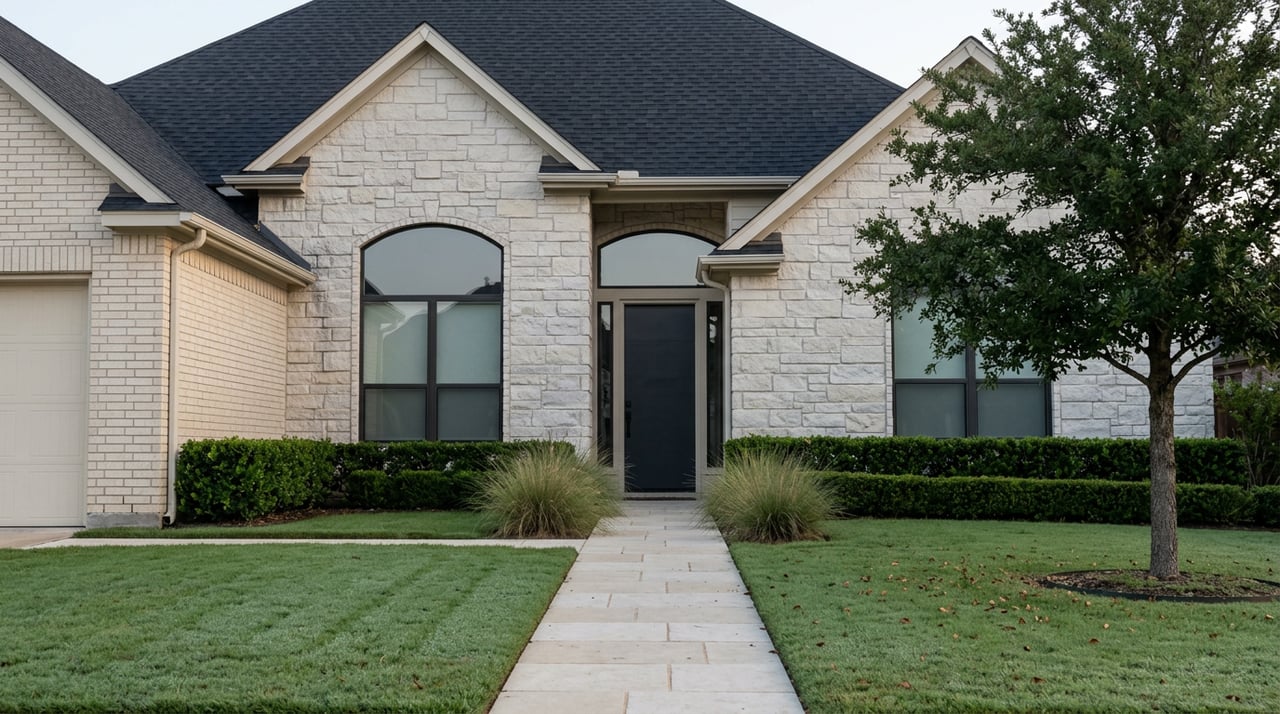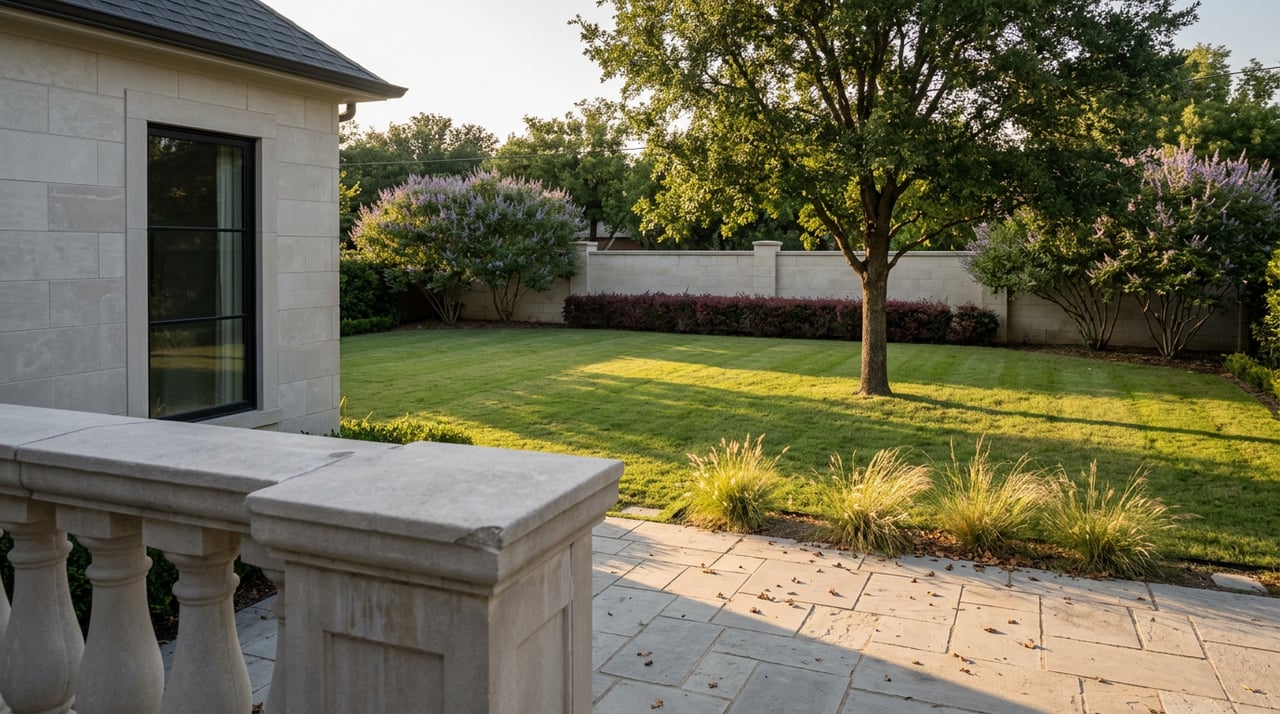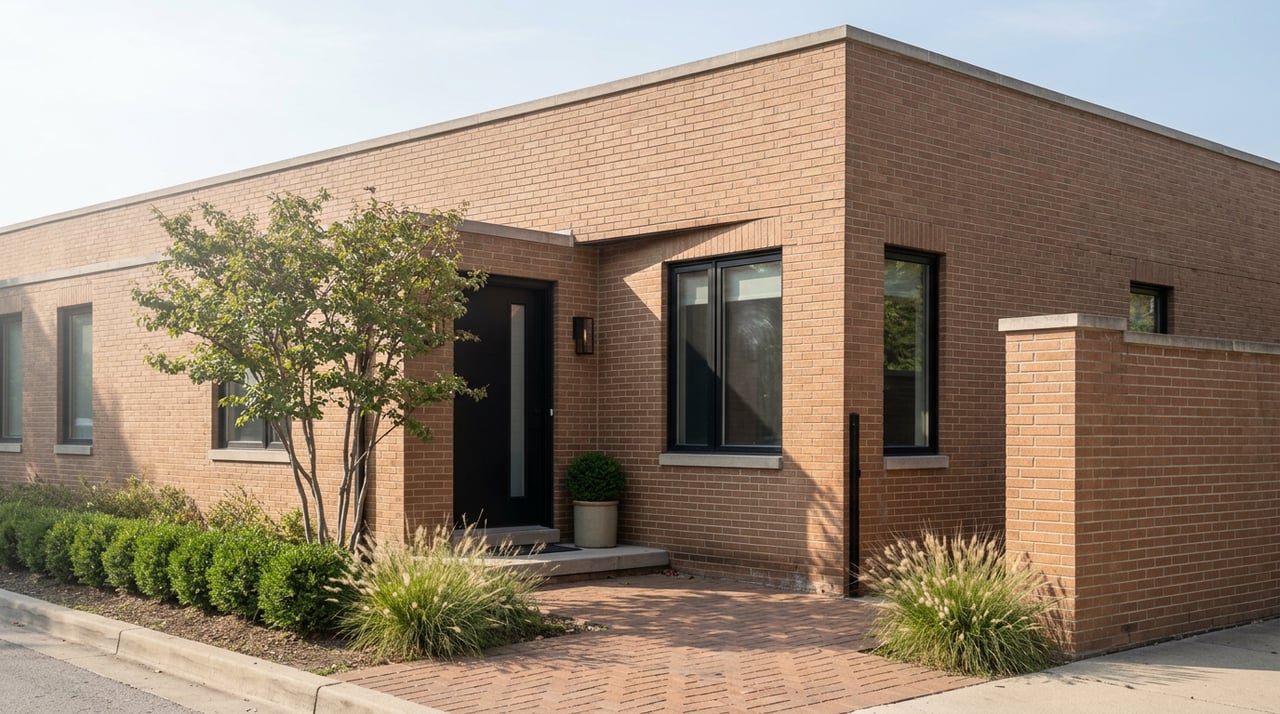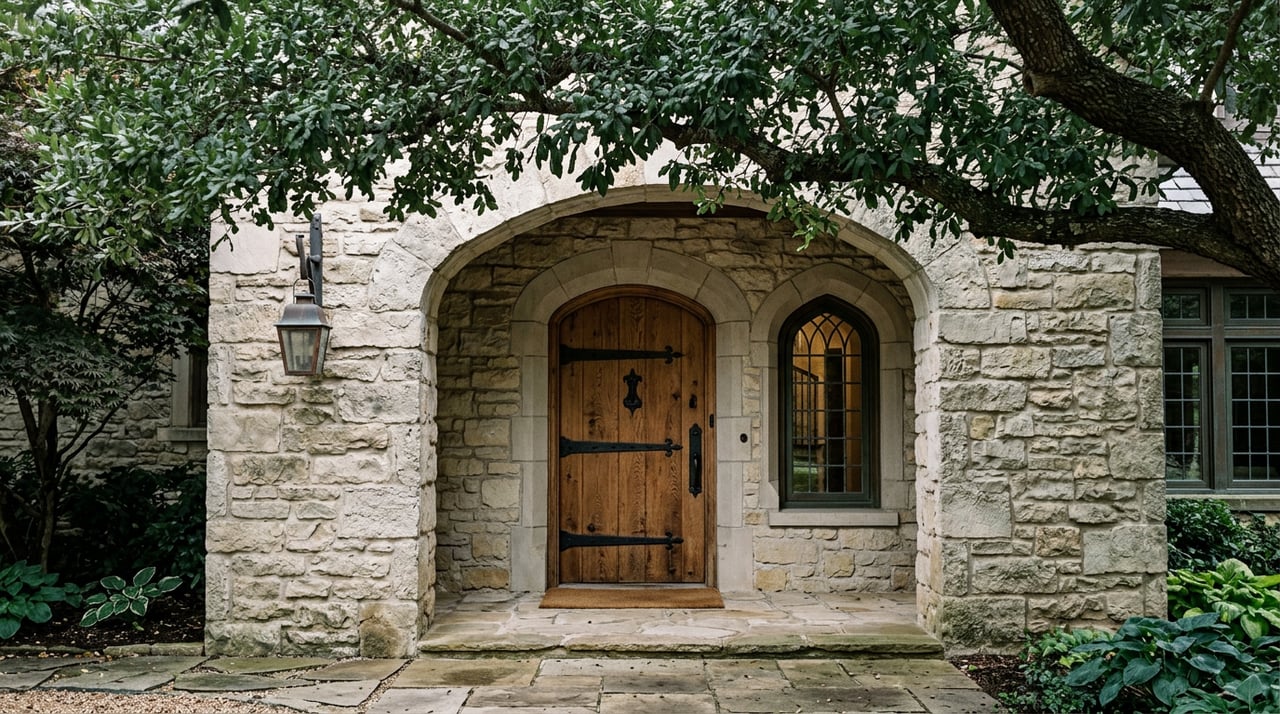
Why does one report put the Preston Hollow median at $1.23 million and another put it at $2.5 million, using data from the same year and the same neighborhood boundary? The honest answer is that "Preston Hollow" and "Lakewood" are not single markets. They're each two or three markets stacked on top of each other, and the thing that decides which one you're actually buying into rarely shows up on the listing sheet.
If you're comparing intown Dallas neighborhoods against what your budget buys in Collin County, the median price is the least useful number you'll look at. What matters more is a school-zoning line that splits Preston Hollow down the middle and a 2025 land-use decision that has quietly frozen new construction across most of Lakewood. Neither shows up in a portal search. Both move price by six figures.
Preston Hollow Is Three Markets Wearing One Name
Preston Hollow's entry point sits around $800,000 for a smaller or older home on a standard lot. The top end runs past $10 million, occasionally north of $20 million for gated compounds in Old Preston Hollow and Crespi Estates. In between, the neighborhood breaks into tiers that behave nothing alike:
| Tier | Typical Range | What You're Actually Buying |
|---|---|---|
| Standard sub-acre | $800K – $3M | Most of the transaction volume; original ranch homes, smaller updated homes, entry-level renovation candidates |
| Estate tier | $3M – $10M | One to three acres, the bulk of true luxury activity, streets like Volk Estates and pockets of Old Preston Hollow |
| Trophy | $10M+ | Three-plus acres along Strait Lane, Park Lane, and Walnut Hill Lane |
One widely cited figure put the January 2026 median sale price near $2.5 million, a number the source itself noted was inflated partly by which homes happened to close that month rather than by broad appreciation. A separate twelve-month figure covering every property type, including condos, landed at $1.23 million. Both are correct. Neither tells you what a specific address is worth, because the median is averaging a $900,000 ranch house against a $9 million estate a half-mile away.
The Boundary Line That Doesn't Show Up on a Listing Sheet
Most of Preston Hollow is zoned to Dallas ISD. A pocket generally east of the Dallas North Tollway and south of Walnut Hill Lane falls inside Highland Park ISD instead. That boundary runs through the interior of the neighborhood, not around its edge, which means two homes on the same street can sit on opposite sides of it.
The premium for landing on the Highland Park ISD side runs $200,000 to $500,000 or more over a comparable Dallas ISD-zoned home. That's not a renovation premium or a lot-size premium. It's a zoning-line premium, and it's the reason a buyer touring "Preston Hollow" without confirming the specific address against the district boundary can end up paying for a school assignment they didn't actually get, or missing one they would have paid for.
A median price answers what homes sold for. It doesn't answer what a specific lot is zoned into. In Preston Hollow, that second question is worth six figures before you've touched a single upgrade.
The Teardown Math Only Works If the Lot Cooperates
Preston Hollow has the most active teardown-and-rebuild activity of any Dallas neighborhood, and the mechanics explain why. Older ranch-style homes purchased purely for the land beneath them run $800,000 to $2 million depending on lot size and location. Once rebuilt, contemporary new construction on those same lots resells in the $3 million to $7 million range.
That math only holds if the lot itself supports the plan, and Dallas zoning doesn't treat every Preston Hollow parcel the same way. In the low-density districts that cover most of the neighborhood, the city sets a 40-foot front setback, 10-foot side and rear setbacks, and a 40 percent maximum lot coverage. Platted building lines on a specific block can be more restrictive than the zoning code allows, and the city has been direct that its deed-restriction records aren't exhaustive. The certified plat, not the zoning map, is the real answer key.
Two details catch buyers off guard specifically:
- Floodplain status survives demolition. If a site sits in the 100-year floodplain, new construction can trigger a floodplain fill review and require final city approval, even after the existing structure is already gone. Removing the old house doesn't remove the review.
- Alley access has hard minimums. For homes that rely on alley access for garage placement, the city requires roughly a 15-foot minimum right-of-way, at least 10 feet of pavement, and a 2-foot utility easement on each side. A design that assumes standard alley clearance can fail before it reaches permitting.
None of this shows up in a listing description. All of it shows up in a construction timeline.
Lakewood Solved the Same Problem by Making It Illegal
Lakewood took the opposite path. The neighborhood covers roughly 3,600 homes across 61 subdivisions, and there is no undeveloped land left to build on. In 2025, an expansion of the Lakewood Conservation District further limited teardown-and-rebuild activity across much of the neighborhood.
The price effect is the clearest evidence of how much that restriction matters. Lakewood's median sale price reached $1.6 million as of early 2026, up 20.8 percent year over year, while the broader DFW metro median actually slid to roughly $385,000, a 2.16 percent decline over the same period. Lakewood moved in the opposite direction of the market around it, and the Conservation District is the mechanism most often cited for why.
The internal spread inside Lakewood tells the same story as Preston Hollow, just for a different reason. Within the neighborhood, the Lake Way pocket carries a median list price around $1.9 million, up 14.2 percent year over year, while adjacent Old East Dallas runs closer to $690,000, up a more modest 7.6 percent. Same general area, vastly different price points, but here the driver isn't a school-zoning line. It's which subdivision falls under the tightest conservation rules and which one still has room to update.
Two Neighborhoods, Two Different Bets
This is the part a median price will never tell you. Preston Hollow rewards a buyer willing to underwrite land value and rebuild risk, because the neighborhood still has inventory that can legally become something else. Lakewood rewards a buyer willing to pay a scarcity premium today, because there is no legal path to add inventory later. One is a renovation calculation. The other is a supply calculation. Confusing the two means either overpaying for a Lakewood home expecting rebuild upside that the Conservation District won't allow, or underpaying attention to a Preston Hollow lot's floodplain and setback status because the address alone signals "safe bet."
For a buyer relocating from Collin County, where new construction and larger floor plans are still the norm, both neighborhoods require a different kind of due diligence than a Frisco or Plano purchase. The question isn't just what a home costs. It's what the specific lot is legally allowed to become, and who is zoned to attend school there.
A Few Questions Worth Asking Before You Write an Offer
Is all of Preston Hollow zoned to Highland Park ISD? No. Only a small pocket, generally east of the Dallas North Tollway and south of Walnut Hill Lane, falls inside Highland Park ISD. The rest of the neighborhood is Dallas ISD. Confirm zoning for the specific address, not the neighborhood name, before writing an offer.
Can I still tear down and rebuild in Lakewood? It depends heavily on which subdivision the property sits in. The 2025 expansion of the Lakewood Conservation District limits rebuild activity across much of the neighborhood, and the rules vary by block. This is worth verifying before assuming a Preston Hollow-style rebuild plan will work in Lakewood.
Why do different sources report such different median prices for the same neighborhood? Because "median" depends on which properties sold in that window and which property types are included. A twelve-month median across condos and single-family homes will look very different from a single month's median in a neighborhood where a handful of multi-million-dollar estate sales can swing the number.
If you're weighing a move between Collin County and one of these intown Dallas pockets, the comparison is rarely as simple as one price against another. The Deann Abbott Group works with relocating executives and move-up buyers across North Texas every week, and we're glad to walk through what a specific address, on a specific block, actually allows before you make an offer. Get Your Complimentary Home Valuation to start the conversation.