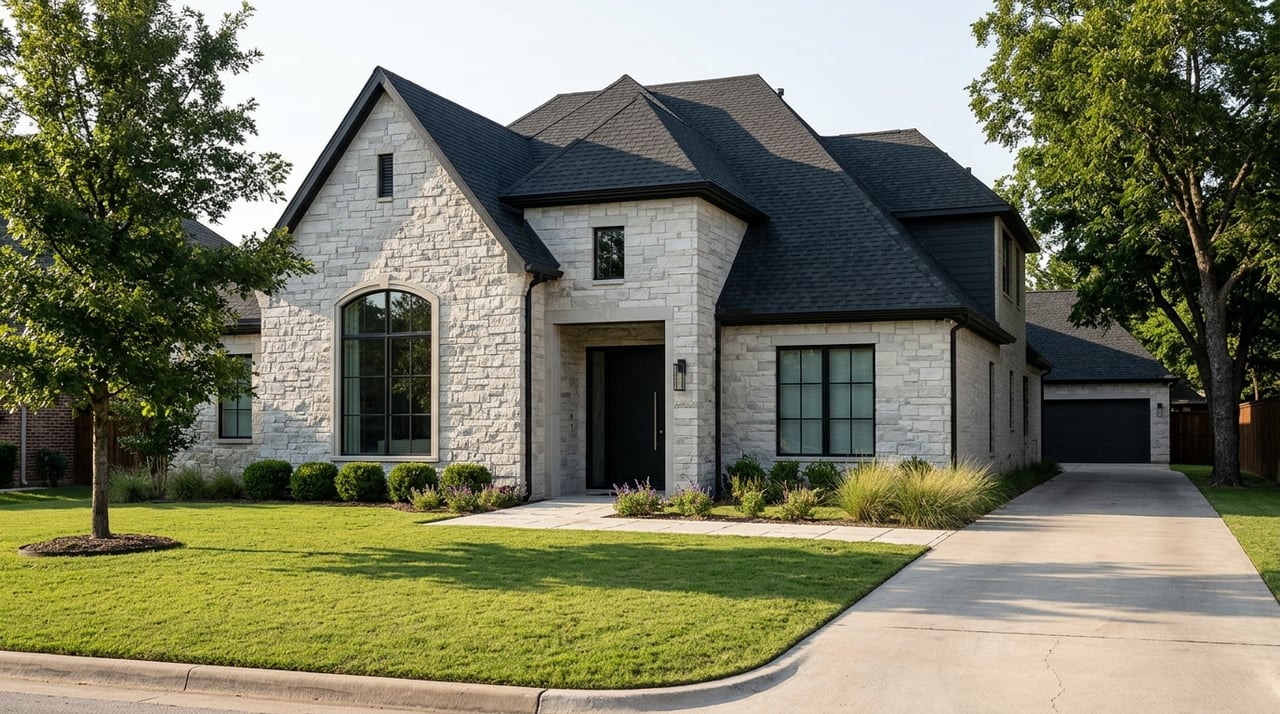
If you are drawn to Fairview, chances are you already know this town offers something rare in Collin County: space. The real question is what kind of space fits your life best. Whether you are deciding between a true acreage property or a neighborhood estate with shared amenities, understanding the tradeoffs can help you buy with more confidence. Let’s dive in.
Why Fairview Appeals to Both Buyers
Fairview has built its identity around a mix of rural character and easy access to nearby shopping, dining, and employment hubs. The town sits along FM 1378 and SH 5, about three miles south of McKinney and six miles northeast of Plano, which gives you a quieter setting without feeling far removed.
That balance shows up in the way Fairview plans for growth. The town’s comprehensive planning emphasizes rural heritage and large-lot residential areas, and Residential Estate remains the predominant land use. In a past town survey, residents also pointed to rural living, town amenities, and large lot size or acreage as key reasons Fairview stands out.
What Counts as Acreage in Fairview
In Fairview, acreage is not just a marketing term. The town’s zoning creates a clear ladder for larger lots: AG requires 10 acres, RE-3 requires 3 acres, RE-2 requires 2 acres, RE-1.5 requires 1.5 acres, and RE-1 requires 1 acre.
These ranch-estate districts are designed for single-family homes on larger sites. They typically come with sizable setbacks, modest lot-coverage limits, and often require septic systems. That means when you buy acreage in Fairview, you are usually buying both a home and a piece of land with a more active role in your daily life.
Common acreage features
Acreage properties in Fairview may offer space for features that are difficult to fit on a typical subdivision lot, such as:
- Detached garages
- Guest houses
- Private pools
- RV or boat storage
- Stables, corrals, and paddocks
- Barns and greenhouses
- Farm or ranch uses in AG areas, including crops and livestock
If those features matter to you, acreage can open doors that a neighborhood setting may not.
What a Neighborhood Estate Looks Like
A neighborhood estate in Fairview can still feel spacious. The town’s future land use plan includes categories such as Residential Estate Country with one-acre minimum lots, Residential Estate Transition with one-acre minimum lots and one unit per 1.5 gross acres, and Residential Suburban with lots under one acre.
In practical terms, that means you can still find a generous homesite without stepping into full acreage ownership. For many buyers, that middle ground delivers breathing room while keeping more of the property experience organized around the neighborhood itself.
Shared amenities shape the experience
Some Fairview communities are built around HOA-controlled open space, trails, and shared facilities. The town’s parks and open space planning identifies HOA-managed amenities in communities such as Fairview Meadows, Sloan Creek, and Villages of Fairview.
Heritage Ranch is one of the strongest examples of amenity-rich neighborhood living in Fairview. It is a gated 55+ community on 575 acres with 1,144 homes, an 18-hole golf course, a 24,000-square-foot clubhouse, indoor and outdoor pools, restaurants, trails, tennis, and an active social calendar.
Villas in the Park shows a different side of the neighborhood-estate option. This non-age-restricted community includes attached and single-family homes, plus a clubhouse, pool, trails, parks, and HOA-covered lawn care such as mowing, weeding, fertilizing, watering, and edging.
Acreage vs. Neighborhood Estates
The best choice usually comes down to how you want to live day to day. In Fairview, both options can offer space, but they deliver it in very different ways.
| Feature | Acreage Property | Neighborhood Estate |
|---|---|---|
| Lot size | Typically 1 acre to 10+ acres depending on zoning | Often spacious, but usually smaller and more structured |
| Privacy | More separation from neighbors | Varies by community and lot layout |
| Land use flexibility | Better for workshops, guest space, RV storage, or certain animals | More limited by neighborhood design and HOA rules |
| Upkeep | More exterior maintenance and site management | Often less private-yard work |
| Utilities and systems | Septic is commonly required in ranch-estate districts | Community infrastructure may reduce some ownership tasks |
| Amenities | Mostly private and owner-created | Shared amenities may include trails, pools, golf, or clubhouses |
| Social setting | More independent and self-directed | Often more neighbor interaction and organized activities |
When Acreage Makes More Sense
Acreage tends to work best when you want the land itself to serve a purpose. You may value privacy, distance between homes, or the ability to add features like a workshop, paddock, detached garage, or guest house.
This option can also be a fit if you expect to use RV or boat storage regularly or want room for certain animals or agricultural uses where zoning allows. In that case, you are not just paying for a larger yard. You are paying for control, flexibility, and a property that supports a more customized lifestyle.
Questions to ask before buying acreage
Before choosing acreage in Fairview, ask yourself:
- How much privacy do I actually want?
- Will I truly use a barn, workshop, guest house, or extra storage?
- Am I comfortable maintaining more of the site myself?
- Am I prepared for septic system ownership if the property requires it?
These questions can keep you focused on what you will use, not just what sounds appealing during a home search.
When a Neighborhood Estate Fits Better
A neighborhood estate may be the better fit if you want space without taking on the full responsibility of a larger tract. You may prefer a setting where amenities, open space, and community features are already built in.
This option is especially appealing if you like the idea of trails, golf, clubhouses, pools, or lower-maintenance living. It can also be a smart match if you travel often, want a more lock-and-leave routine, or simply would rather spend your budget on amenities you will use instead of land you may not fully need.
HOA tradeoffs to weigh
For many buyers, HOA dues are worth it when they support maintenance and amenities that improve daily life. Still, it is important to decide whether you want a more predictable, HOA-managed environment or the independence that often comes with acreage.
Neither approach is automatically better. The right choice depends on whether you value bundled convenience or private control more.
Think Beyond the Lot Line
Fairview Town Center gives residents easy access to shopping, dining, and entertainment at Stacy Road and US 75. Because of that, your decision may have less to do with access to amenities in town and more to do with where you want those amenities to live.
Some buyers want amenities inside the neighborhood, just steps from home. Others are perfectly happy to drive a short distance for dining or entertainment while keeping more privacy at home. That is an important lifestyle distinction, and it often matters more than square footage alone.
Verify the School District by Address
If school zoning matters in your search, do not assume the district based on the Fairview city name alone. Fairview includes areas served by McKinney ISD and Lovejoy ISD, and the town’s zoning map also shows Allen ISD areas.
Texas Education Agency district boundary data is updated annually, so the only reliable way to confirm school assignment is by checking the exact address. If this is part of your decision-making process, address-level verification should happen early.
A Simple Way to Decide
If you are still torn, start with one honest question: would you rather pay for land you control or amenities you use? That single answer often points you in the right direction.
Choose acreage if you want privacy, flexibility, and room for land-intensive features or uses. Choose a neighborhood estate if you want shared amenities, less exterior upkeep, and a more managed day-to-day lifestyle.
In Fairview, both paths can lead to a strong long-term fit. The key is matching the property to the way you actually want to live, not just the way a listing looks on paper.
If you want help comparing Fairview acreage homes, gated communities, or estate neighborhoods, The Deann Abbott Group offers concierge-level guidance backed by deep Collin County market knowledge.
FAQs
What is the difference between acreage and a neighborhood estate in Fairview?
- Acreage typically means larger lots governed by Fairview zoning districts such as RE-1 through AG, while neighborhood estates usually offer spacious homesites within a more structured community setting with shared features or HOA oversight.
How much land do you need for privacy in Fairview?
- Privacy depends on the lot layout, setbacks, and surrounding homes, but Fairview’s ranch-estate zoning starts at one acre and increases up to 10 acres in AG areas, giving buyers several options for more separation.
Do acreage homes in Fairview usually have septic systems?
- Fairview’s ranch-estate districts usually require septic systems, so acreage buyers should be prepared for that added ownership responsibility.
Are neighborhood estate communities in Fairview low maintenance?
- Some are designed to be more convenient than acreage living, and certain communities offer HOA-supported maintenance or shared amenities that reduce private exterior work.
Which Fairview communities offer more amenities?
- Amenity-focused options in Fairview include communities such as Heritage Ranch, with golf and clubhouse features, and Villas in the Park, which includes shared amenities and HOA-covered lawn care.
Which school district serves a home in Fairview, Texas?
- School district service should be verified by exact address because Fairview includes areas connected to McKinney ISD, Lovejoy ISD, and Allen ISD on the town’s zoning map.